
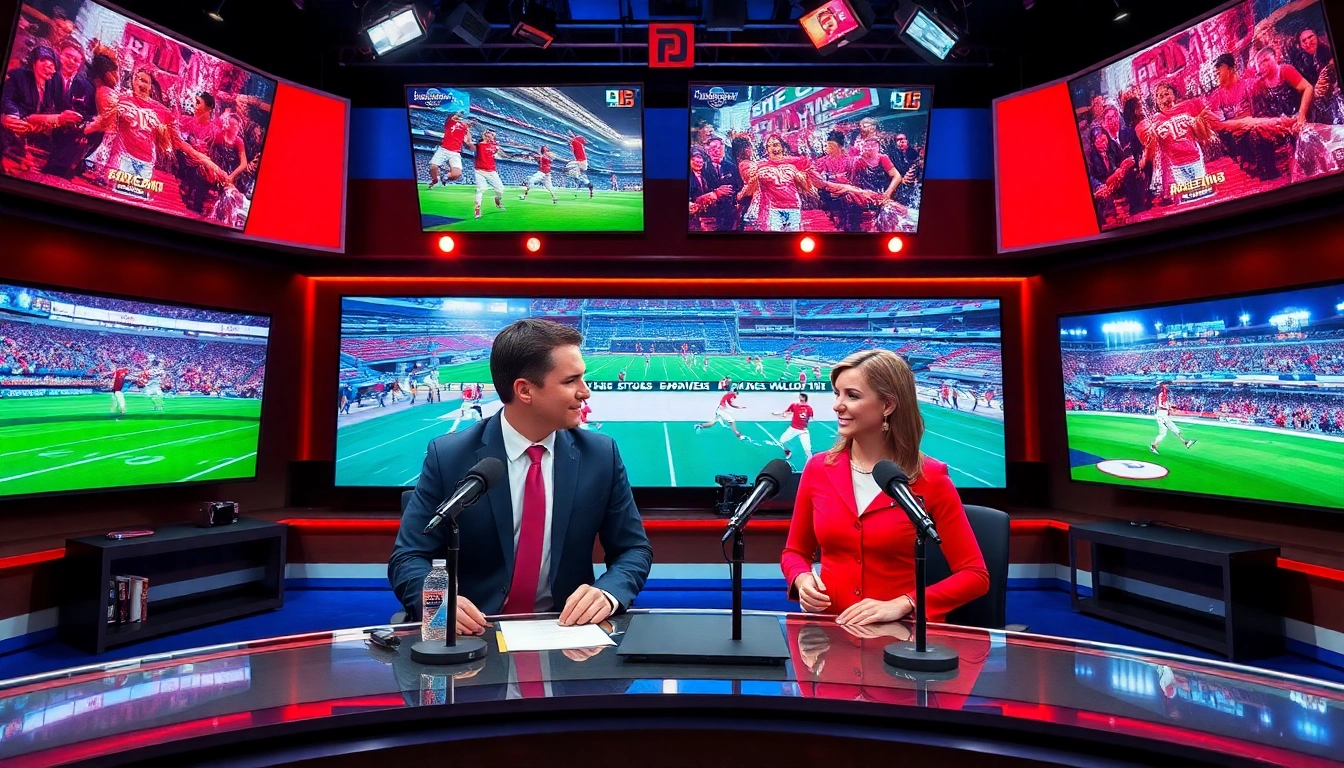
Understanding the Fundamentals of Sports Broadcasting
Definition and Scope of Sports Broadcasting
Sports broadcasting is the dissemination of sports-related content via various media channels, including television, radio, and online platforms. This domain encompasses play-by-play commentary, analysis, interviews, and documentaries, aiming to convey the excitement of sports to audiences across different demographics. The scope of Sports Broadcasting extends beyond just live coverage; it includes pre-game shows, post-game analyses, and highlights, providing fans with in-depth insights and entertainment.
The Evolution of Sports Broadcasting
The history of sports broadcasting dates back to the early 20th century with radio broadcasts. Over the decades, it transitioned into television, revolutionizing how fans engage with live sporting events. The introduction of cable television in the 1980s further expanded the reach of sports programming, allowing for specialized channels dedicated to sports content. In recent years, the rise of the internet has spawned streaming services, enabling audiences to access sports broadcasts on-demand and interactively, marking the latest evolution in this dynamic field.
Major Types of Sports Broadcasting
Sports broadcasting can be categorized into several types:
- Live Telecasts: Real-time coverage of sporting events, offering play-by-play commentary.
- Highlight Shows: Recaps of significant moments from games, often accompanied by analysis.
- Talk Shows: Programs featuring discussions with analysts and former athletes covering various sports topics.
- Documentaries: In-depth explorations of specific events, athletes, or sports history.
Key Technologies Shaping Sports Broadcasting
Broadcasting Equipment and Software
At the heart of sports broadcasting are various technologies that enhance the viewing experience. Equipment such as high-definition cameras, audio consoles, and broadcast trucks enable quality production. Additionally, software applications for graphics, statistics, and live feeds play critical roles in delivering a seamless viewing experience. These technologies allow broadcasters to provide fans with multiple camera angles, real-time statistics, and immersive graphics.
Streaming vs. Traditional Broadcasting
With the advancements in technology, the debate between streaming and traditional broadcasting has intensified. Streaming services allow for on-demand access to content, catering to the growing demand for flexibility among audiences. In contrast, traditional broadcasting maintains a sense of immediacy and community, as viewers gather to watch live events together. Each method has its merits, and many organizations are now adopting hybrid models to reach a wider audience.
The Role of Social Media in Sports Broadcasting
Social media has transformed how sports broadcasting operates. Platforms like Twitter, Facebook, and Instagram enable broadcasters to engage real-time with fans, provide live updates, and share content instantly. Additionally, highlights and clips are shared widely on these platforms, driving further viewership. This dual engagement enhances the fan experience by fostering a sense of community, encouraging user-generated content, and generating discussions around sporting events.
Best Practices for Sports Broadcasting Professionals
Engaging Your Audience Effectively
For sports broadcasters, audience engagement is paramount. This involves connecting with fans through interactive polls, Q&A sessions, and social media engagement to create a sense of involvement. Engaging storytelling is also vital; broadcasters should aim to weave excitement and emotion into the narrative of the games being covered, making them more relatable and compelling for the audience.
Creating Compelling Sports Content
Quality content is the backbone of effective sports broadcasting. This includes offering expert analysis, behind-the-scenes footage, and athlete interviews. To create compelling sports content, broadcasters should research their topics thoroughly, provide unique insights, and maintain an energetic tone that resonates with fans. Using a mix of formats, such as video highlights, infographics, and articles, can cater to diverse audience preferences.
Ethical Standards in Sports Broadcasting
Upholding ethical standards is crucial in sports broadcasting. Journalists and broadcasters must ensure accuracy, fairness, and impartiality in their reporting. It's paramount to respect players' privacy, avoid sensationalism, and maintain integrity. Adhering to these principles not only builds trust with the audience but also contributes to a professional image in the industry.
Case Studies of Successful Sports Broadcasting
Innovative Sports Broadcasting Examples
Several organizations have pioneered innovative approaches in sports broadcasting. For instance, utilizing augmented reality (AR) to provide viewers with enhanced graphics during live events, or employing drones for aerial shots, showcases creativity in coverage. Notable examples include interactive broadcasts that allow viewers to choose camera angles or access player statistics in real-time, breaking conventional barriers in sports media presentations.
Lessons from Leading Sports Broadcasters
Successful broadcasters often emphasize the importance of audience feedback. Analyzing viewer data and adapting content according to audience preferences leads to greater engagement. Learning from the successes of leading sports broadcasters can help emerging professionals avoid common pitfalls and develop effective strategies for audience retention.
How Analytics Influence Sports Broadcasting Strategies
The role of analytics in sports broadcasting cannot be overstated. By employing data analytics, broadcasters can gain insights into viewer preferences, monitor engagement levels, and refine their content strategies accordingly. Metrics such as viewership numbers, social media interactions, and feedback forms empower broadcasters to make data-driven decisions that enhance the effectiveness of their broadcasts.
The Future of Sports Broadcasting
Trends and Predictions for Sports Broadcasting
The future of sports broadcasting is likely to be shaped by technological advancements and changing audience behaviors. Trends point toward an increased integration of artificial intelligence for automating certain production aspects and enhancing viewer personalization. Furthermore, the emergence of 5G technology promises to elevate live streaming quality, allowing for richer, immersive experiences.
The Impact of Technology on Future Broadcasts
Technological innovations will redefine how sports broadcasts are produced and consumed. Enhanced audio-visual experiences through virtual reality (VR) and interactive content are expected to become more mainstream, allowing fans to engage with events in unprecedented ways. These changes can provide richer narratives and offer deeper immersion into live sports.
Preparing for Changes in Audience Behavior
As audience preferences evolve, broadcasters must remain adaptable. There’s an increasing demand for personalized content, with viewers seeking engagements tailored to their specific interests and schedules. Anticipating these changes and providing flexible viewing options will be key for future sports broadcasters aiming to retain and grow their audiences.
Frequently Asked Questions
What is the role of analytics in sports broadcasting?
Analytics help sports broadcasters understand viewer preferences, monitor engagement, and refine content strategies based on data insights.
How has technology impacted sports broadcasting?
Technology has enhanced production quality, enabling richer graphics, interactive content, and seamless live streaming experiences.
What types of content are included in sports broadcasting?
Types of content encompass live telecasts, highlights, talk shows, and documentaries that cater to various audience interests.
How can broadcasters engage their audience effectively?
Broadcasters can engage audiences through interactive content, social media, compelling storytelling, and audience feedback integration.
What are the ethical standards in sports broadcasting?
Ethical standards include maintaining accuracy, impartiality, respect for privacy, and avoiding sensationalism in reporting.