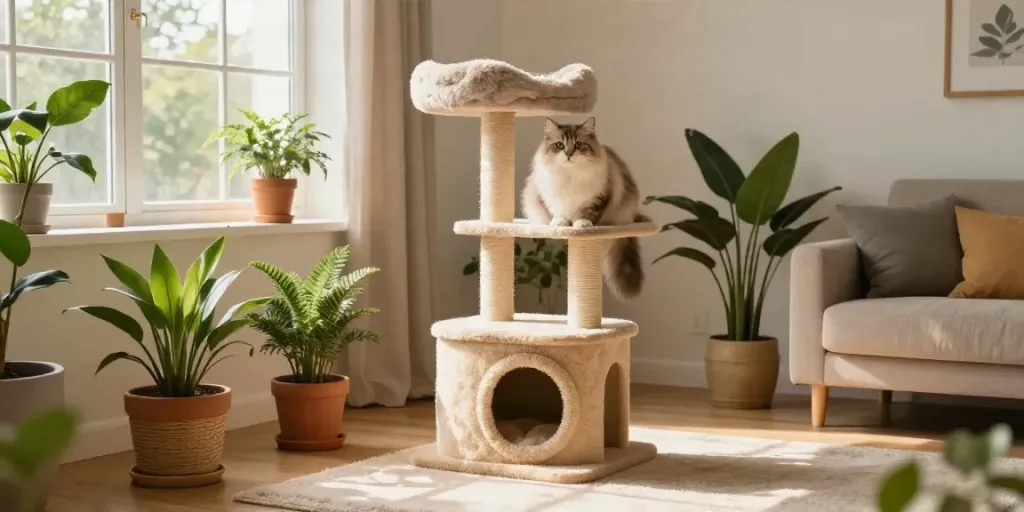
Understanding the Benefits of a Cat Tree
Every cat owner understands the importance of providing a stimulating environment for their feline friends. A cat tree serves not just as a piece of furniture but as an essential tool for enhancing the well-being of your cat. These structures come equipped with various features designed to cater to a cat's natural instincts, from climbing and scratching to lounging and exploring. In this article, we will delve into the numerous benefits of cat trees, how they positively affect cat behavior, and why they are more than just an aesthetic addition to your home.
Why Do Cats Need a Cat Tree?
Cats are inherently curious and energetic creatures that require ample opportunities for play and activity. A cat tree provides a vertical space where cats can climb, perch, and observe their surroundings. This elevated position not only satisfies their climbing instinct but also helps fulfill their desire for security and territory. Moreover, scratching posts integrated into cat trees cater to their natural urge to scratch, thus preventing damage to household furniture.
The Impact on Cat Behavior and Activity
Having access to a dedicated cat tree can significantly influence a cat's behaviors. For example, it encourages physical activity, reducing the risk of obesity—a common issue in indoor cats. Regular climbing and exploring help maintain a cat's overall health and prevent lethargy. Additionally, cat trees enhance mental stimulation, reducing stress and anxiety by providing a safe space for retreat, especially in multi-pet households.
Cat Trees Versus Other Pet Furniture Options
While there are various types of pet furniture available, cat trees stand out due to their multi-functional nature. Unlike simple scratching posts or basic beds, a quality cat tree combines multiple functionalities, including lounging areas, scratching surfaces, and interactive features like dangling toys. This multifunctionality offers better value for money and maximizes the space utilization in your home.
Choosing the Right Cat Tree for Your Space
Selecting the ideal cat tree requires careful consideration of various factors to ensure it complements both the needs of your cat and your living space. Here, we will explore essential criteria that help in making the right choice.
Considerations for Size and Height
Before purchasing a cat tree, measure your available space and consider the height of the tree. Cats love to climb, but not all homes can accommodate a towering structure. A cat tree should provide enough vertical space for your cat to explore without overwhelming your room. For larger breeds or multiple cats, look for more robust designs that offer stability and enough space for all pets to lounge or play at once.
Material Quality and Durability Factors
Quality is paramount when selecting a cat tree. Look for trees made with durable materials that can withstand scratching and the weight of your cat. Solid wood structures tend to offer better stability compared to particle board. Additionally, ensure that the tree has sturdy bases and supports to prevent tipping when your cat jumps around. Fabric should be easy to clean and resist wear and tear.
Design Styles to Match Your Home Decor
Cat trees come in an array of designs, from modern minimalist to rustic styles. Choosing a cat tree that matches your home decor can make it a seamless addition rather than an eyesore. Consider colors, fabric textures, and overall aesthetics that will not only appeal to your cat but will also blend with your interior design.
Installation and Maintenance Tips for Cat Trees
Once you have chosen the perfect cat tree, proper installation and maintenance are crucial to ensure its longevity and usability. Here are some tips for successfully setting up and caring for your cat tree.
Setting Up Your Cat Tree Safely
When installing a cat tree, choose a suitable location that provides stability and comfort. Ensure that it is placed away from heavy traffic areas where it might be knocked over and allow your cat to approach it freely. If the tree is modular, follow the manufacturer’s instructions carefully to ensure each component is securely attached.
Regular Maintenance to Ensure Longevity
Regularly check your cat tree for wear and tear. Tighten any loose screws and inspect fabric surfaces for signs of damage. Rotating or repositioning the tree can help to distribute wear evenly and maintain its appearance. Investing some time in maintenance can significantly prolong the life of your cat tree.
Cleaning Tips for Optimal Hygiene
To keep your cat tree hygienic, vacuum the surfaces regularly to remove cat hair and debris. Use pet-safe cleaners to wipe down any hard surfaces, and consider washing removable fabric parts according to the manufacturer’s instructions. Keeping the tree clean is essential for your cat’s health and encourages them to utilize it regularly.
Enhancing Cat Engagement with Add-Ons
To further engage your cat with their tree, consider integrating additional features and toys that can enhance their playtime experience. A well-equipped cat tree promotes satisfaction and keeps cats mentally and physically healthy.
Integrating Toys and Additional Features
Many modern cat trees come with built-in toys and features such as tunnels, ramps, and hanging balls that can attract your cat's attention. You can also customize your cat tree by adding interactive toys or even small blankets for a cozy retreat. Integrating these elements can significantly enrich your cat’s experience.
Benefits of Multi-Level Designs
Multi-level cat trees offer several advantages, as they provide cats with varied spaces to explore. The different levels cater to their climbing nature and allow them to choose their preferred spot for lounging or observing their surroundings. This variety helps keep your cat engaged and encourages healthy activity levels.
Creating a Cat-Friendly Environment
In addition to investing in a cat tree, create a cat-friendly environment by incorporating other pet-friendly furniture and features around your home. Consider areas for hiding, vertical spaces like shelves, and interactive toys that stimulate curiosity and playfulness.
Future Trends in Cat Tree Design
The pet furniture industry is evolving quickly, and cat trees are no exception. As we progress into 2026, a few notable trends are emerging in cat tree design that pet owners should keep an eye on.
Innovative Materials and Sustainable Practices
More manufacturers are now focusing on sustainability by using recycled and eco-friendly materials in their products. In addition to being environmentally friendly, these materials are often free from harmful chemicals, ensuring a safe environment for your cats. Look for options that prioritize both durability and eco-consciousness.
Smart Technologies in Pet Furniture
As smart home technology continues to develop, pet furniture is integrating these innovations as well. Imagine a cat tree with monitoring features that track your pet's activity levels or even automatic feeding systems. These advancements enhance pet care while catering to the tech-savvy pet owner.
Anticipating Cat Owner Preferences in 2026
As pet ownership trends shift, more cat owners are looking for multi-functional products. Expect to see cat trees that combine features like storage areas for toys, integrated grooming tools, and even spaces designed for social interactions between pets. Customization will likely become a key selling point, allowing owners to tailor areas specifically for their cats' unique preferences.
Are Cat Trees Worth It for Your Home?
In summary, investing in a cat tree is worthwhile for both your cat's physical and mental health. The positive impact on their behavior, coupled with the satisfaction of having a designated play area, makes it an essential piece of furniture for cat owners. Not only do cat trees provide a safe environment for play, but they also contribute to a harmonious home atmosphere.
What Features to Look for in a Quality Cat Tree?
When searching for a quality cat tree, focus on features such as sturdiness, multi-level designs, and integrated scratching surfaces. Look for trees that offer a blend of play and relaxation spaces. A well-designed cat tree should be easily accessible for your cat while providing various engagement opportunities.
How to Choose Between Floor Models and Wall Mounts?
Choosing between floor models and wall-mounted cat trees often depends on your available space. Floor models provide more mobility and can be easily repositioned, while wall-mounted options save space and can create a unique climbing path within your home. Evaluate your room layout and your cat's climbing habits to make the best decision.
Can a Cat Tree Help with Behavioral Issues?
Yes, a cat tree can significantly help with behavioral issues in cats, such as scratching furniture or excessive meowing. By providing designated areas for scratching, climbing, and relaxing, you encourage natural behaviors and discourage destructive actions. This can lead to a calmer and more contented pet overall.
What is the Best Way to Introduce a Cat to a New Tree?
Introducing a cat to a new tree should be a gradual process. Start by placing the tree in a familiar area and letting your cat explore it at their own pace. Use treats or toys to encourage them to engage with the tree. Patience is key—once your cat becomes comfortable, they will likely embrace their new playground.